In the world of construction and design, materials play a crucial role in determining both aesthetics and functionality. Among various materials, aluminum has gained prominence, particularly in the realm of windows and doors. https://maps.app.goo.gl/oLD3RaSNdFU8XCJL9 However, misconceptions about its durability and performance still persist. This article aims to clarify these myths and provide insights into why aluminum is a reliable choice for residential and commercial applications.
The Strength of Aluminum
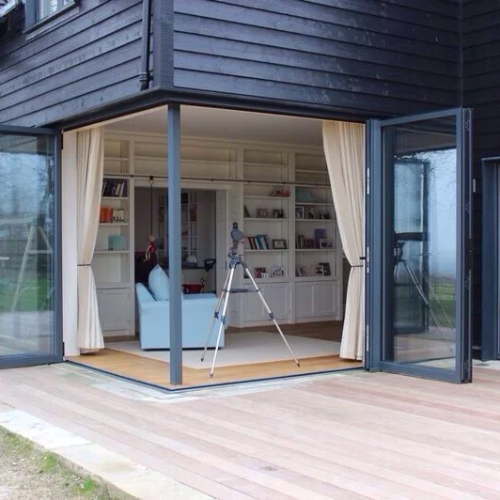
One of the most common myths surrounding aluminum is that it lacks strength compared to other materials like wood or steel. In reality, aluminum possesses a remarkable strength-to-weight ratio, making it an excellent choice for structural applications. For instance, extruded aluminum frames can withstand significant pressure without compromising integrity. This strength allows for larger windows and doors without the need for bulky support structures.
Moreover, advancements in manufacturing processes have led to high-strength alloys that further enhance aluminum's durability. These alloys are designed to resist deformation under stress, ensuring long-term performance even in demanding environments. For example, aluminum windows installed in coastal areas have been tested against high winds and salt exposure without showing signs of fatigue.
Resistance to Corrosion
Another prevalent myth is that aluminum is prone to rusting and corrosion. While it is true that raw aluminum can corrode when exposed to moisture and certain chemicals, modern aluminum products undergo treatments that significantly enhance their resistance to corrosion. Anodizing is one such process where an oxide layer is formed on the surface of the metal. This protective layer not only prevents rust but also adds aesthetic value by allowing for various finishes.
For those considering aluminum windows in London or any coastal region, this corrosion resistance is particularly advantageous. The combination of anodization with quality coatings provides an extra level of protection against harsh weather conditions. Homeowners can feel confident that their investment will stand the test of time.
Thermal Performance
Critics often argue that aluminum products are poor insulators compared to wood or vinyl alternatives. While it's true that metals conduct heat more efficiently than non-metals, contemporary practices have integrated thermal breaks into aluminum window and door designs. A thermal break involves inserting a non-conductive material between the interior and exterior sections of an aluminum frame, effectively reducing heat transfer.
This innovation means that modern aluminum windows can achieve energy efficiency ratings comparable to those made from traditional materials. When properly installed with insulating glass units, they contribute significantly to maintaining indoor temperatures while minimizing heating and cooling costs.
Real-World Case: Energy Efficiency
Consider a residential project in London where traditional wooden frames were replaced with state-of-the-art aluminium windows. The homeowner reported a noticeable reduction in energy bills after installation—approximately 20 percent less over the winter months alone due to improved insulation properties coupled with double-glazing techniques.
Aesthetic Versatility
The notion that aluminum lacks aesthetic appeal stems from earlier designs focused primarily on function rather than form. Today’s market offers a broad range of styles, colors, and finishes tailored to meet diverse architectural preferences. Manufacturers now produce sleek profiles that blend seamlessly with contemporary designs while also offering traditional looks for classic homes.
Aluminum's ability to be molded into intricate shapes further expands its versatility as a design element. Whether it’s large glass facades for modern buildings or charming cottage-style windows in historic districts, there’s no shortage of options available from aluminium door manufacturers in London.
Maintenance Considerations
Many believe that because aluminum has a metallic finish, it requires extensive maintenance akin to steel products; however, this misconception overlooks its low-maintenance nature when properly treated. Unlike wood which may require regular painting or staining due to rotting or warping issues, well-finished aluminium products require minimal upkeep.
A simple wash with soap and water once or twice a year can keep aluminium frames looking new without the need for additional treatments. Furthermore, quality powder-coated finishes resist fading from UV exposure better than paints typically used on other materials.
Long-Term Value
Investing in aluminium windows or doors not only enhances immediate aesthetic appeal but also contributes long-term value through durability and low maintenance requirements. Many homeowners find themselves saving money over time due to reduced energy bills alongside minimal repair costs associated with wear-and-tear—factors which should never be overlooked when evaluating overall cost-effectiveness.
Environmental Impact
As sustainability becomes increasingly important in building decisions, some people question aluminium's environmental credentials compared to renewable materials like wood. However, this perspective neglects important facts regarding recycling capabilities inherent within metals like aluminium.
Aluminium is infinitely recyclable without loss of quality; this means reused materials can be reformed into new products repeatedly—a significant advantage over many plastics which degrade during recycling processes. Initiatives are underway across Europe encouraging responsible sourcing practices aimed at minimizing environmental footprints throughout production cycles involving aluminium components.
London-based companies specializing in aluminium windows have taken strides towards ensuring their supply chains prioritize sustainability by using recycled content while promoting responsible mining practices for raw materials extraction as part of their corporate social responsibility commitments.
Conclusion: Embracing Aluminum
Dispelling these myths about aluminum reveals its true potential as a durable and versatile material suitable for various applications ranging from residential homes to commercial buildings alike across London’s architectural landscape—whether through stylish aluminium doors or expansive window installations designed specifically around client preferences while keeping considerations such as energy efficiency at forefront importance during project planning stages.
By embracing advancements made within this industry—from enhanced thermal performance features down through innovative design techniques—it becomes clear why so many homeowners opt toward choosing aluminium solutions over outdated perceptions fueled by misinformation surrounding weaknesses originally attributed towards early versions produced decades ago!
When considering your next renovation project—be it small-scale replacement work involving just one window frame or larger endeavors encompassing entire façades—don’t overlook what modern-day innovations have brought forth regarding options available today!